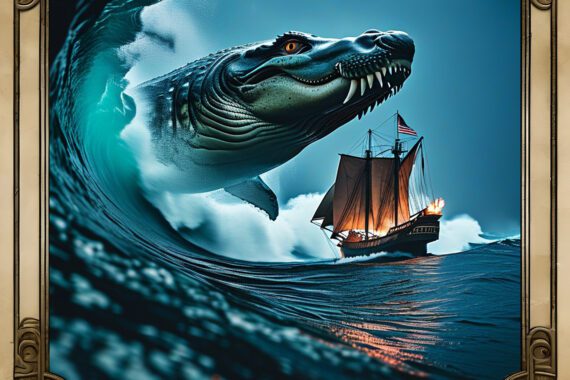
Leviathan: The Sea Monster of Chaos and Divine Majesty The Leviathan, a titanic sea creature from Hebrew Bible mythology, is a symbol of primordial chaos, divine power, and the untamable forces of nature. Often paired with Behemoth (land) and Ziz (air), the Leviathan represents the vast and unknowable depths of the sea. Its appearances in…
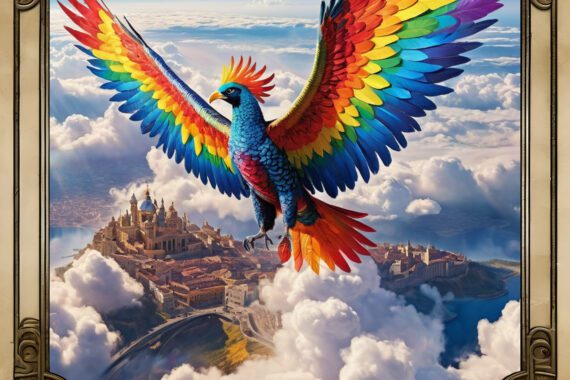
Ziz: The Colossal Bird of Jewish Mythology The Ziz is a legendary bird from Jewish mythology, often described as a giant creature of the sky, alongside its terrestrial counterpart, Behemoth, and the aquatic Leviathan. Together, these three mythical beings represent the vast and untamable forces of the natural world—land, sea, and air. The Ziz symbolizes…
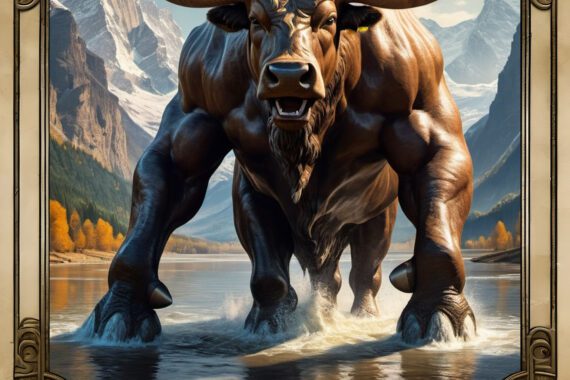
Behemoth: The Primeval Beast of Strength and Chaos The Behemoth is one of the most enigmatic and awe-inspiring creatures of ancient lore, originating from the Hebrew Bible. Described in the Book of Job as a massive and untamable beast, the Behemoth symbolizes raw strength, untamed wilderness, and divine power. Often paired with Leviathan, its aquatic…
Yūrei: The Ghostly Spirits of Japanese Folklore Yūrei (幽霊), meaning “faint spirit” or “dim soul,” are the spectral figures of Japanese folklore, akin to ghosts in Western traditions. They are the restless spirits of the dead, often lingering in the mortal realm due to unresolved emotions, unfinished business, or untimely deaths. Known for their haunting…
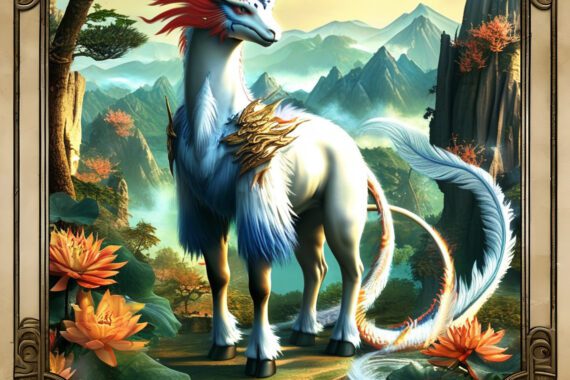
Qilin: The Mythical Unicorn of East Asian Lore The Qilin (pronounced chee-lin), also known as the Chinese unicorn, is a mythical creature in East Asian mythology that symbolizes purity, prosperity, and divine favor. Revered for its benevolence and magical qualities, the Qilin is said to appear during moments of great harmony or to herald the…
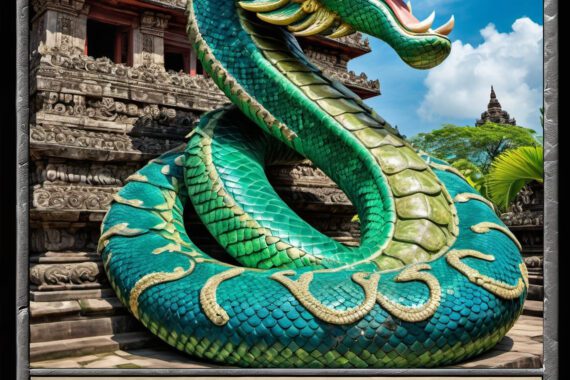
Naga: The Divine Serpents of Hindu and Buddhist Mythology The Naga, a class of serpent-like beings, are among the most fascinating creatures in Hindu and Buddhist traditions. These divine or semi-divine beings often inhabit the liminal spaces between land and water, symbolizing dualities such as creation and destruction, protection and danger. With their origins deeply…
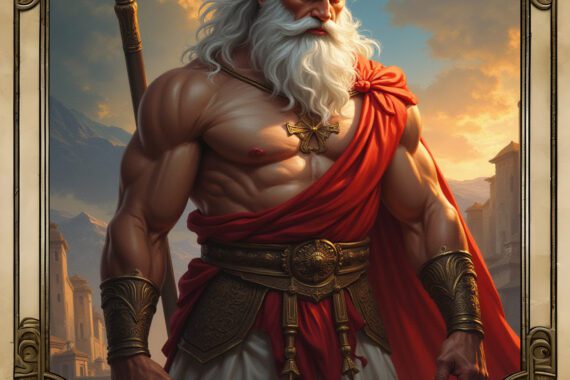
Zeus: The King of the Gods in Greek Mythology Zeus, the ruler of Mount Olympus and the Greek pantheon, is one of the most iconic and powerful figures in mythology. Known as the god of the sky, thunder, and justice, Zeus governs both the heavens and the earth, wielding his mighty thunderbolt to maintain order.…
Skadi: The Giantess of Winter and the Hunt in Norse Mythology Skadi (Old Norse: Skaði) is one of the most fascinating and formidable figures in Norse mythology. A giantess (jötunn) associated with winter, hunting, and the mountains, Skadi defies expectations with her independence, strength, and complex relationships with the gods. Her story is one of…
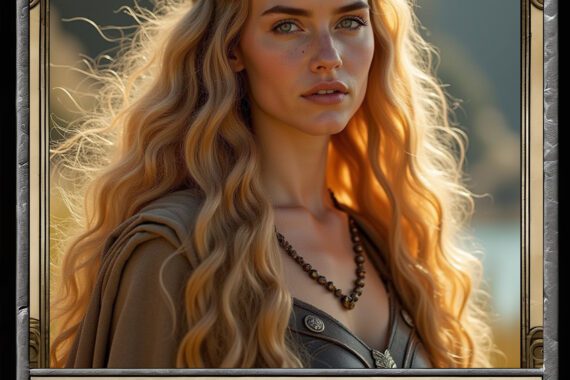
Sif: The Golden-Haired Goddess of Norse Mythology Sif, a goddess of fertility, family, and grain in Norse mythology, is best known for her luminous golden hair and her role as the wife of Thor, the thunder god. Though her appearances in surviving myths are limited, Sif’s significance lies in her symbolic connection to the harvest…
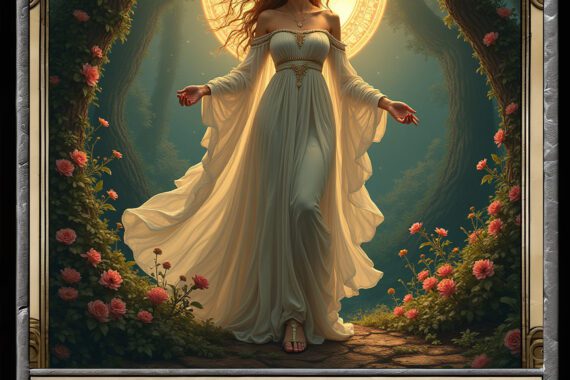
Persephone: Queen of the Underworld and Goddess of Spring Persephone, the daughter of Demeter and Zeus, occupies a unique dual role in Greek mythology as both the Queen of the Underworld and the Goddess of Spring and Rebirth. Her story is one of love, loss, and transformation, symbolizing the cycle of life, death, and renewal.…